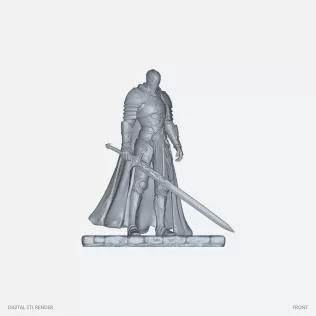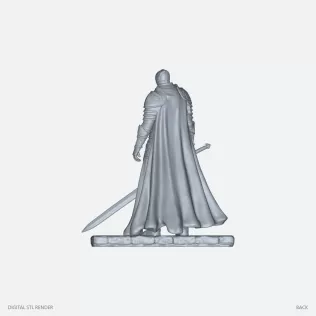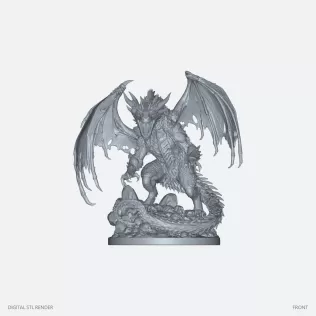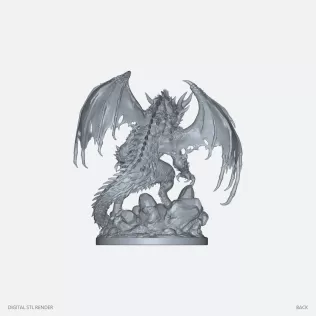
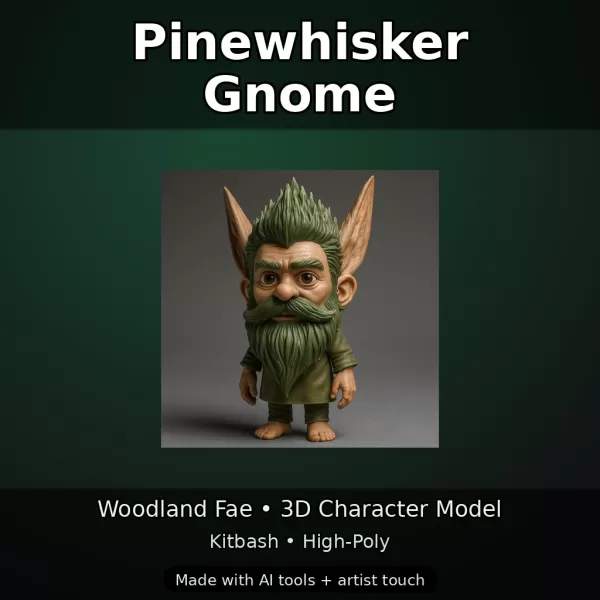
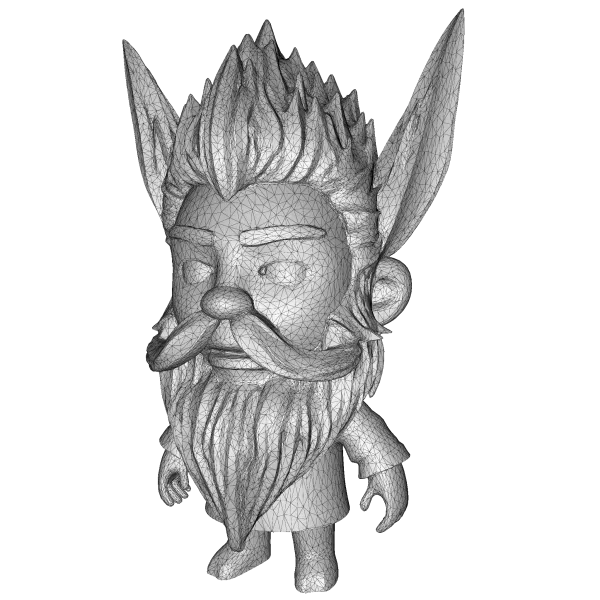
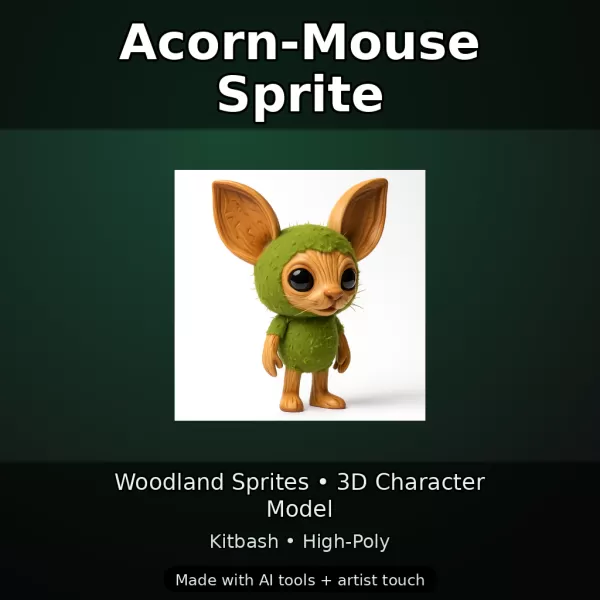
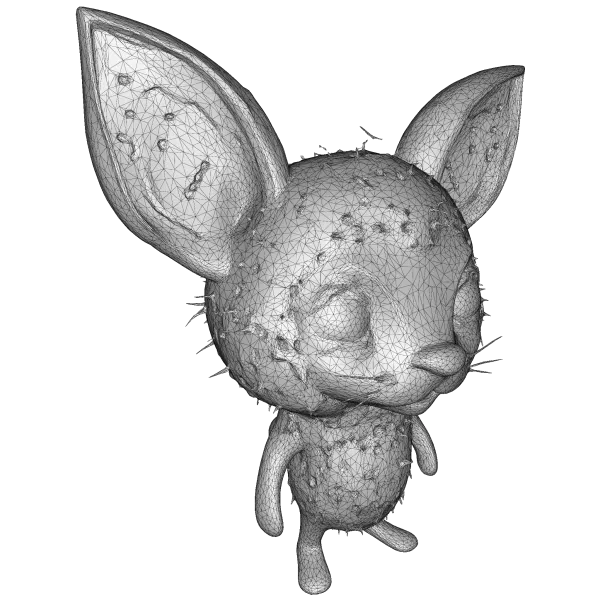
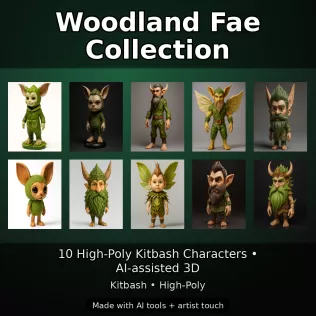
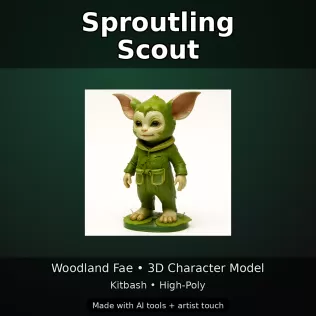
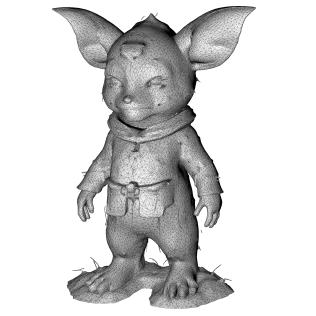
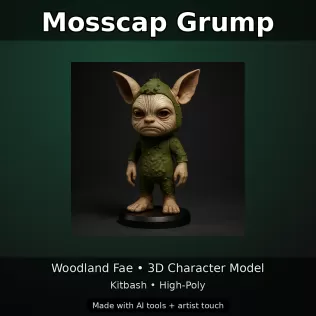
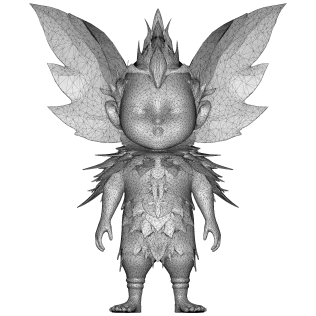
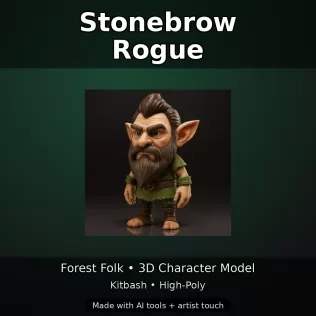
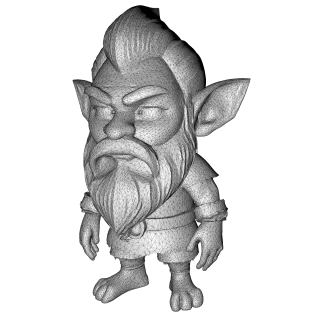
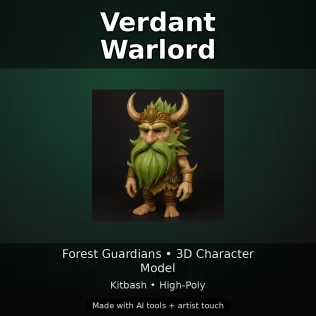
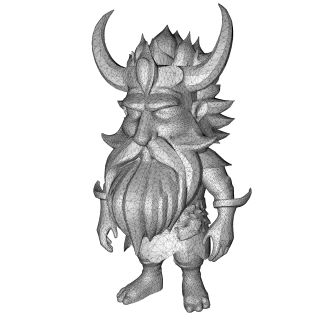
Woodland Fae Character Pack (10 High-Poly Kitbash Figures)
m
ID: 28542
$9.99
3D Model Details
-
Texture: Yes
-
Multipart model: Yes
-
File format: stl
-
File size: 101.44 MB
-
Upload date: 03/04/2026
-
Last update: 03/04/2026
Description
3D Design Concept
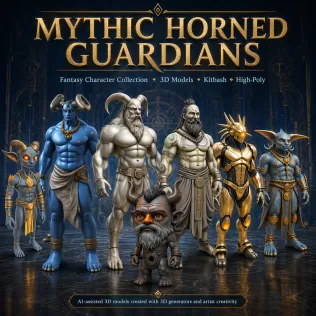
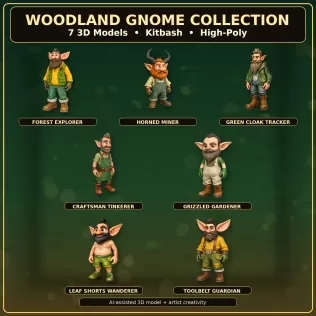
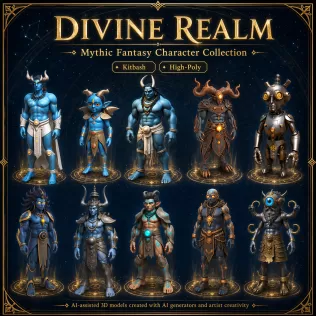
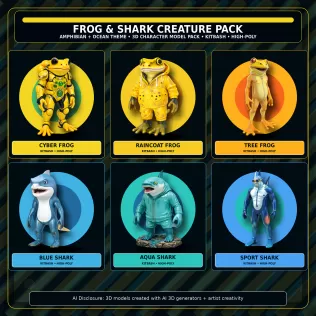
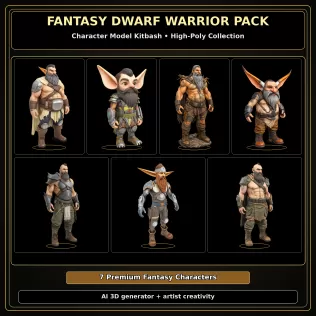
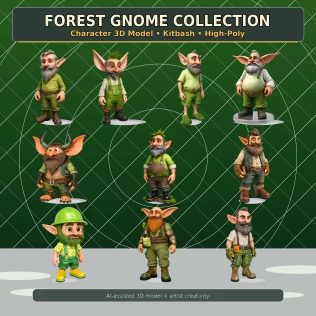
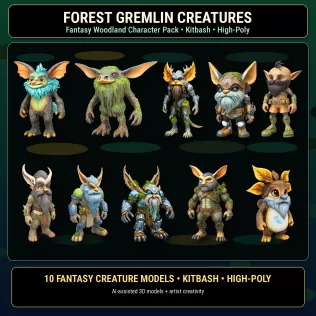
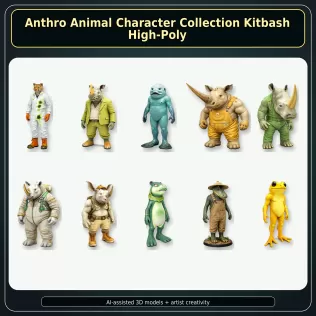
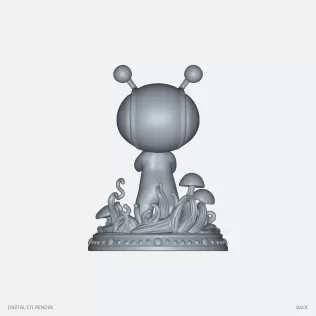
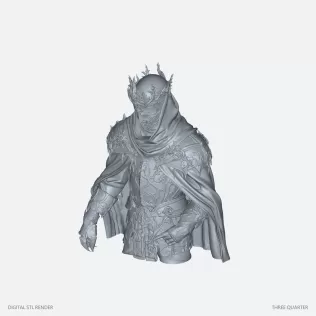
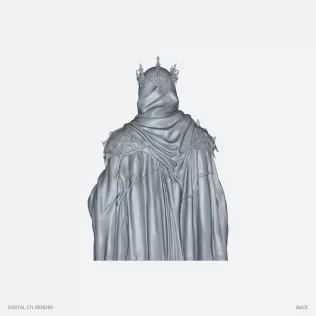
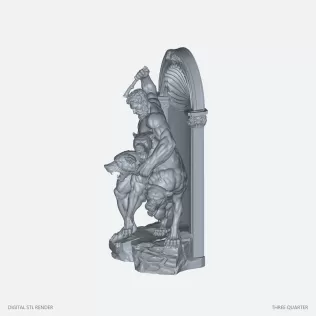
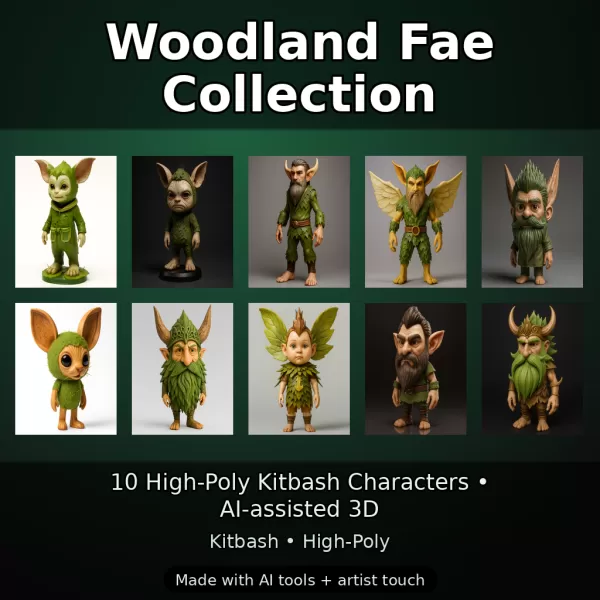
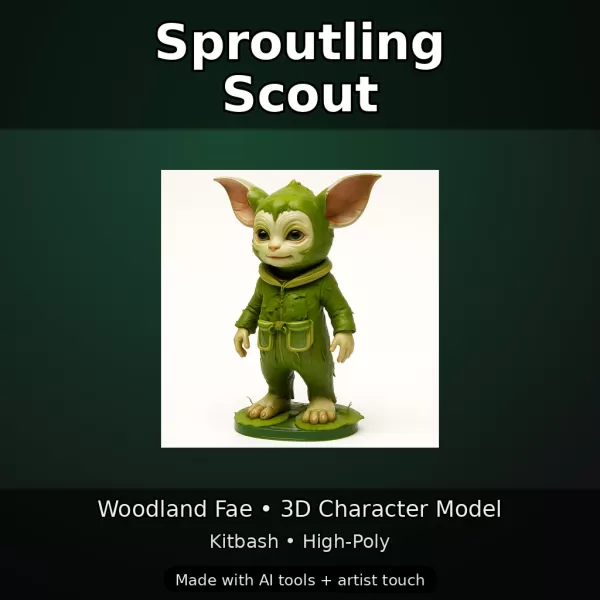
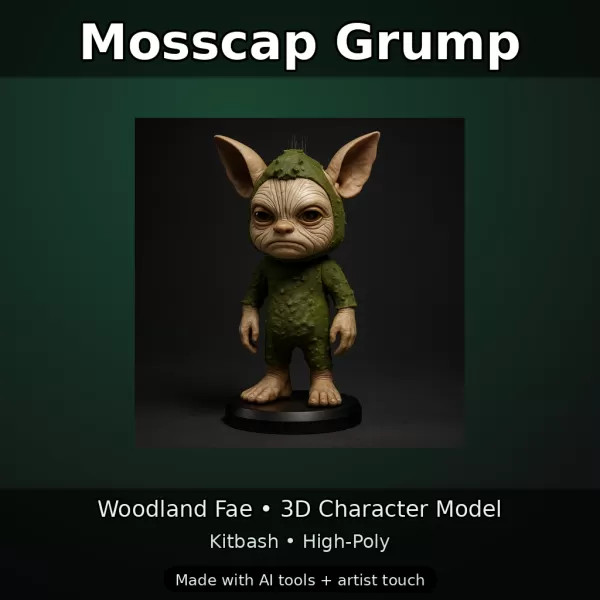
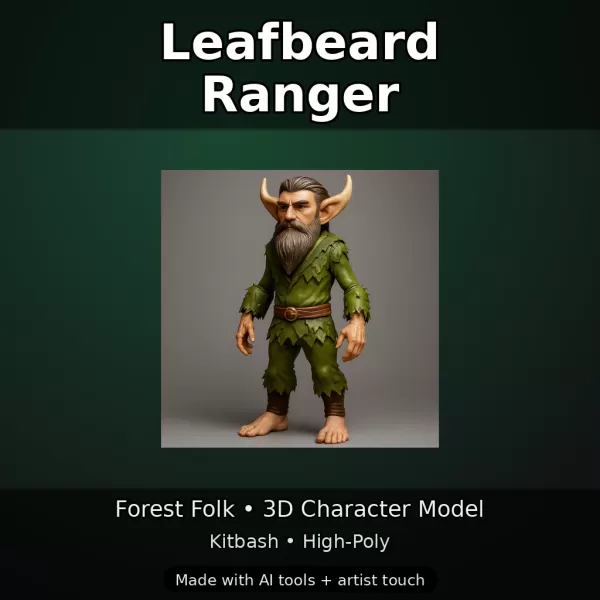
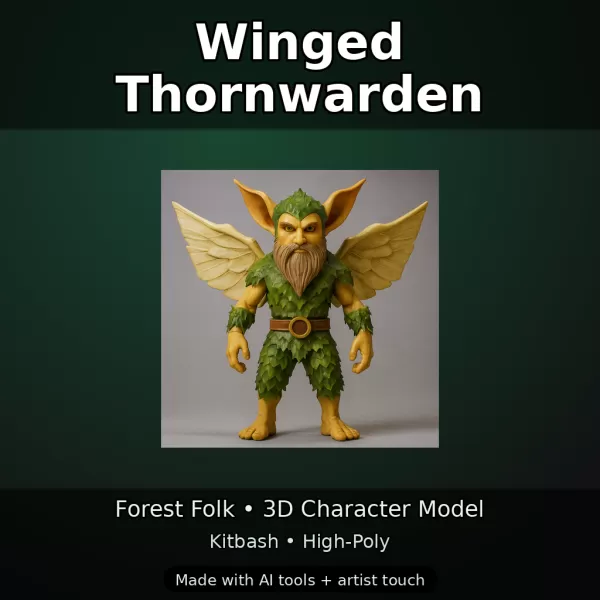
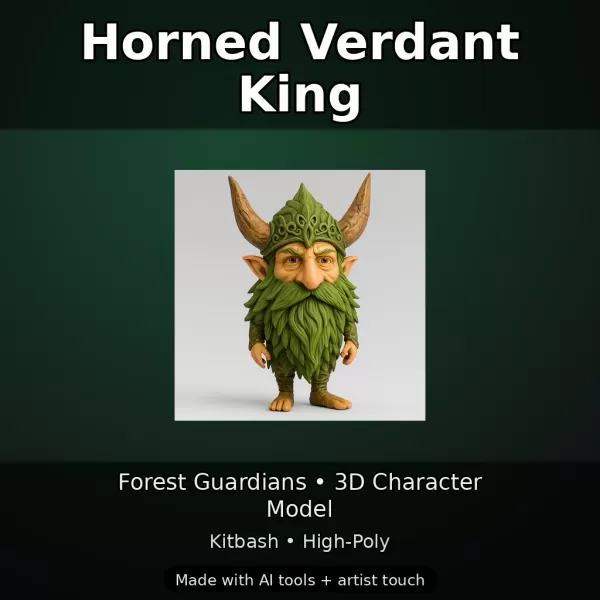
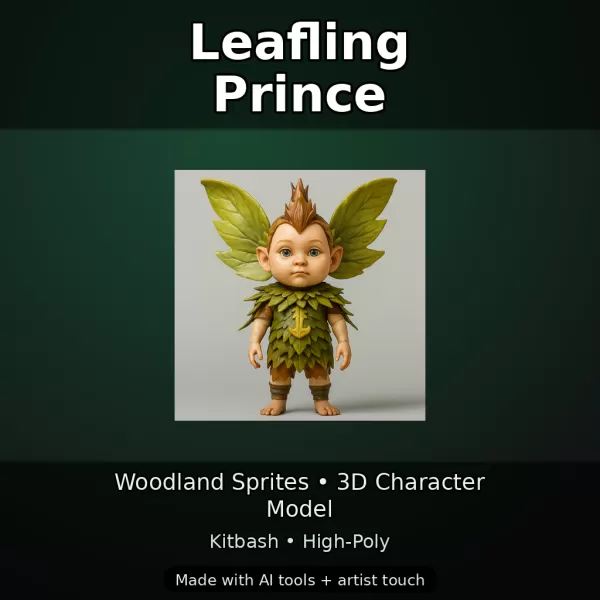
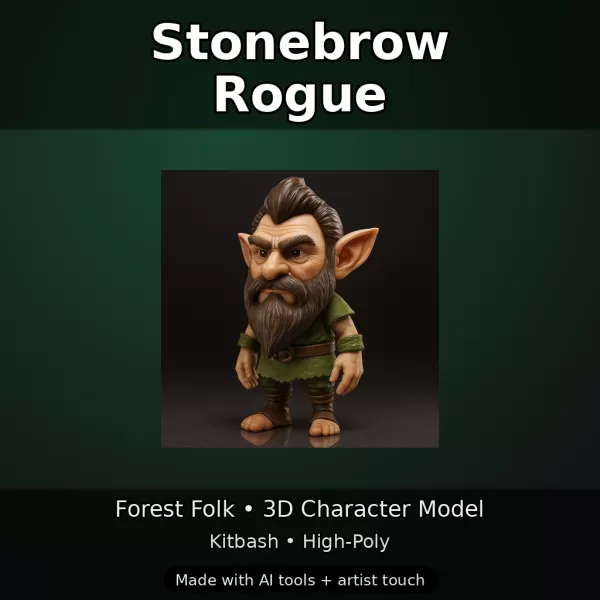
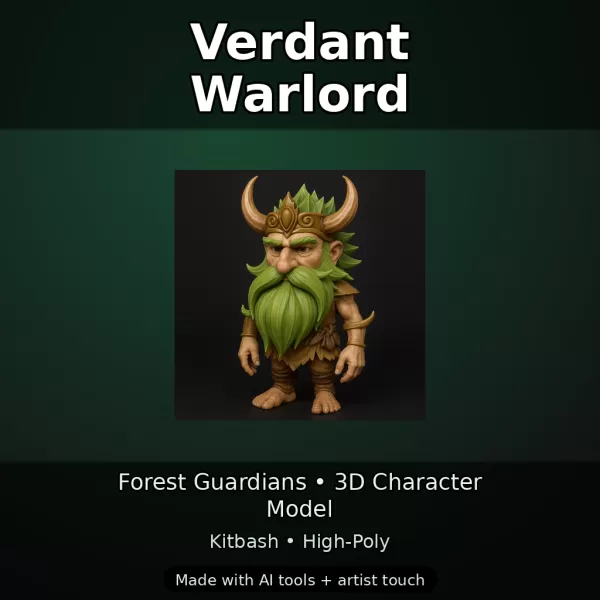
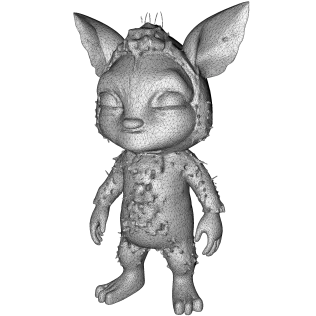
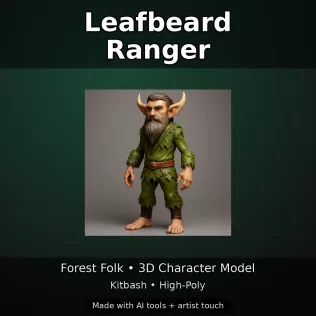
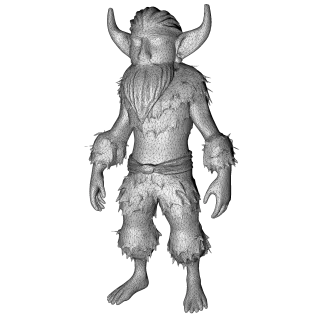
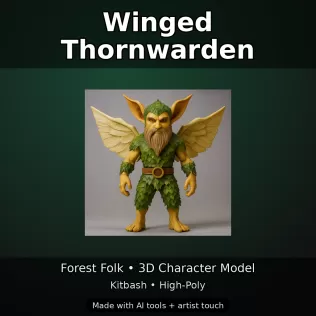
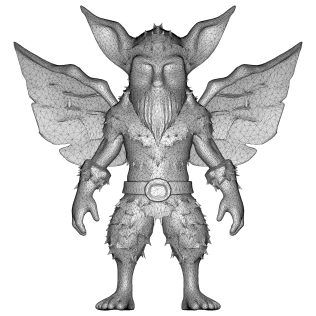
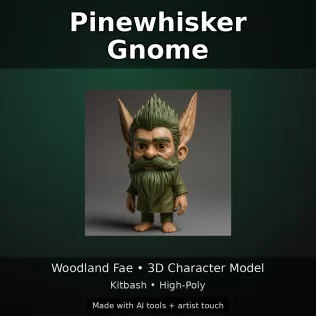
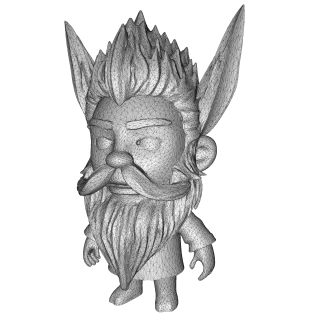
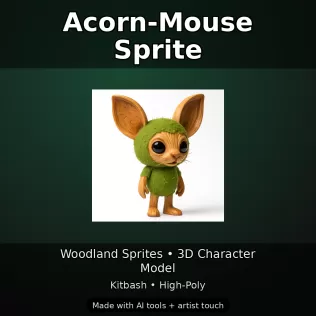
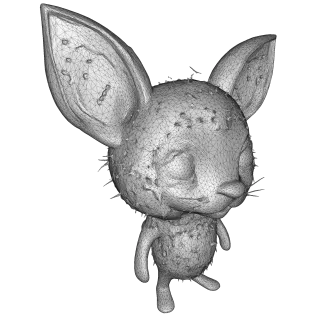
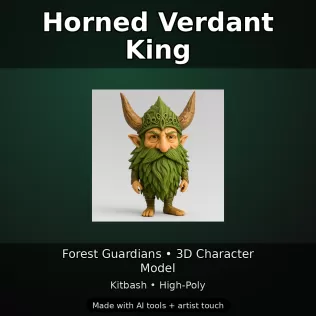
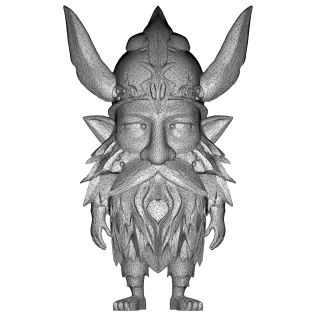
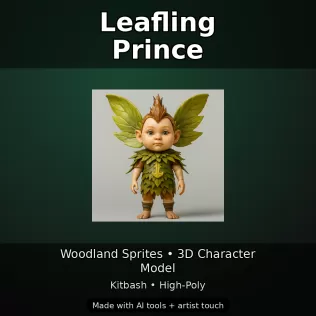
This pack is a Woodland Fae collection: charming forest spirits, guardians, and folk—each with a distinct silhouette (big ears, leafy outfits, mossy textures, horned crowns, winged variants).
The visual goal is “toy collectible meets fantasy storybook”: readable shapes, strong personality, and nature-inspired materials that look great in renders and translate well to physical prints.
Key design features
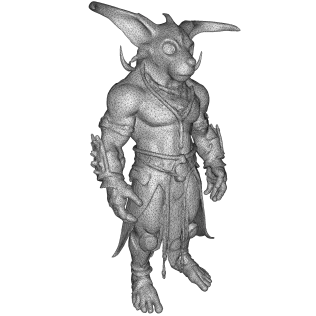
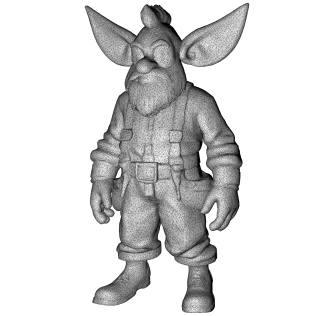
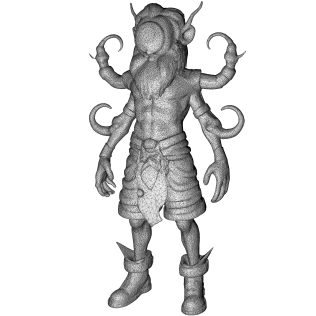
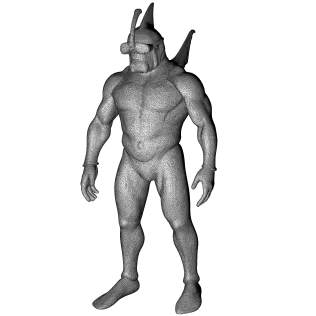
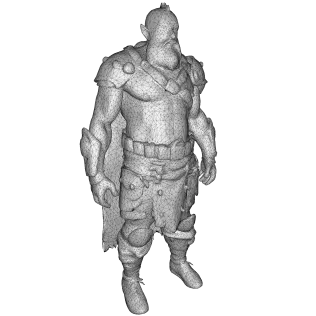
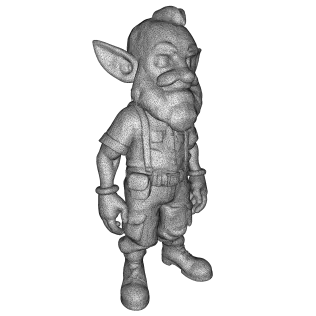
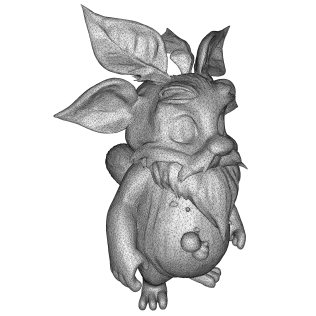
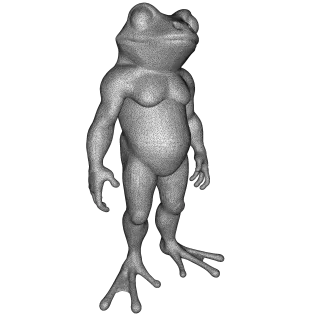
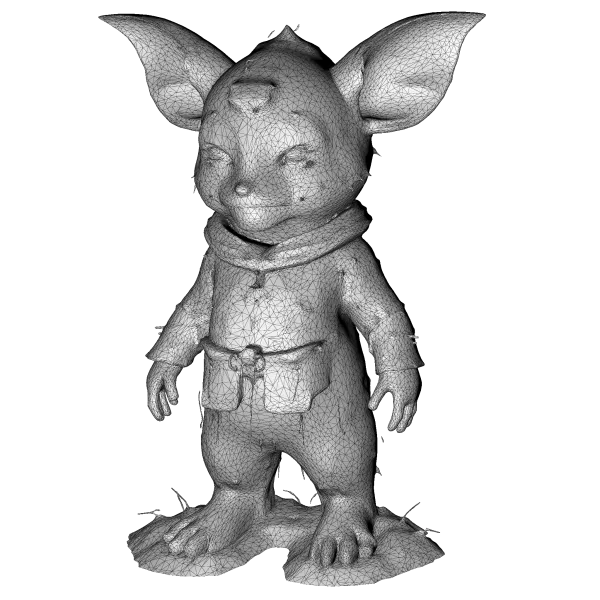
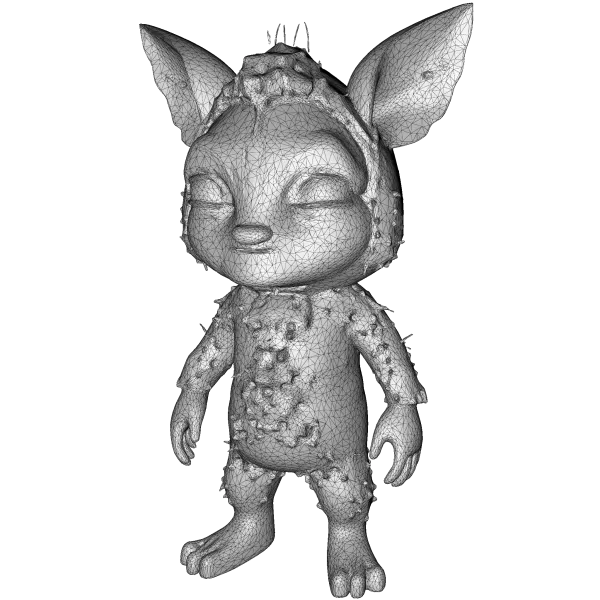
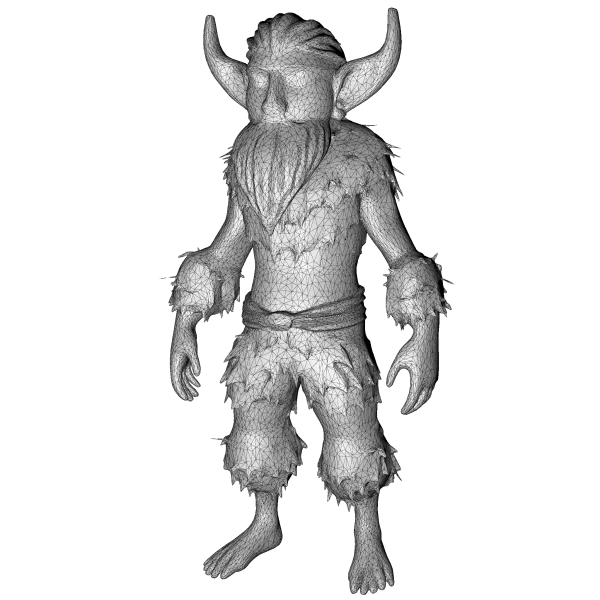
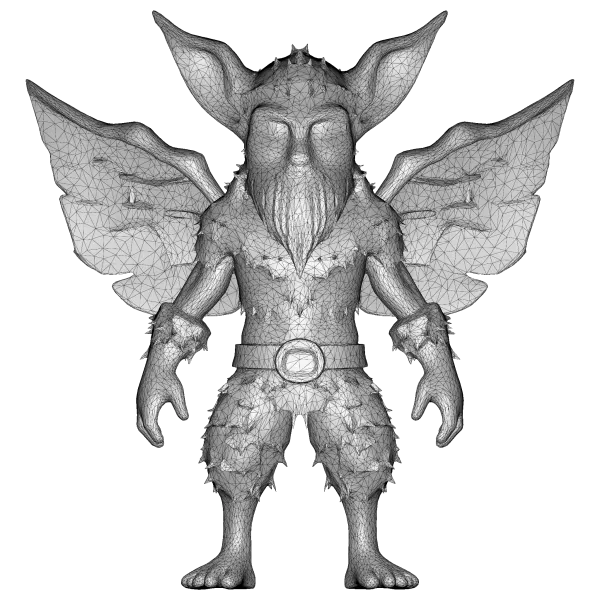
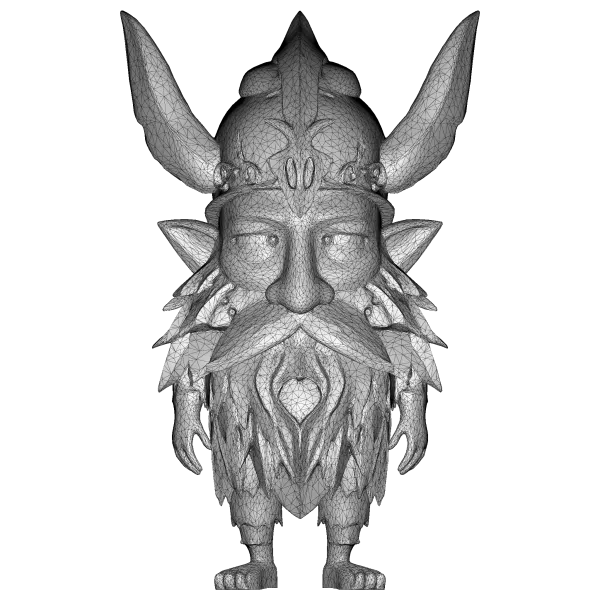
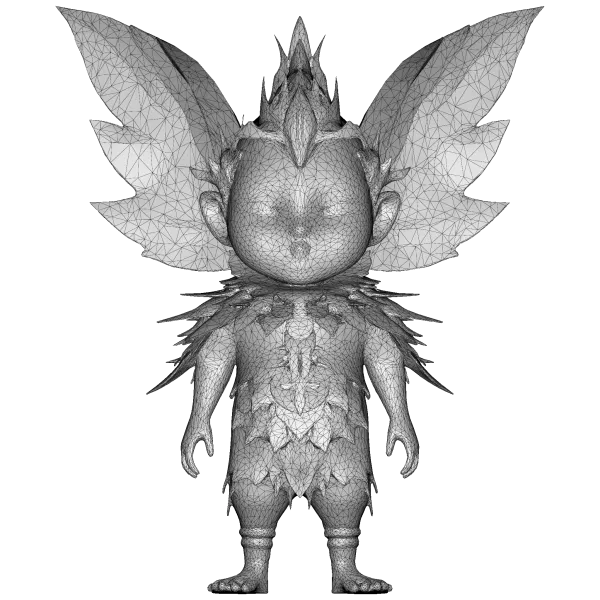
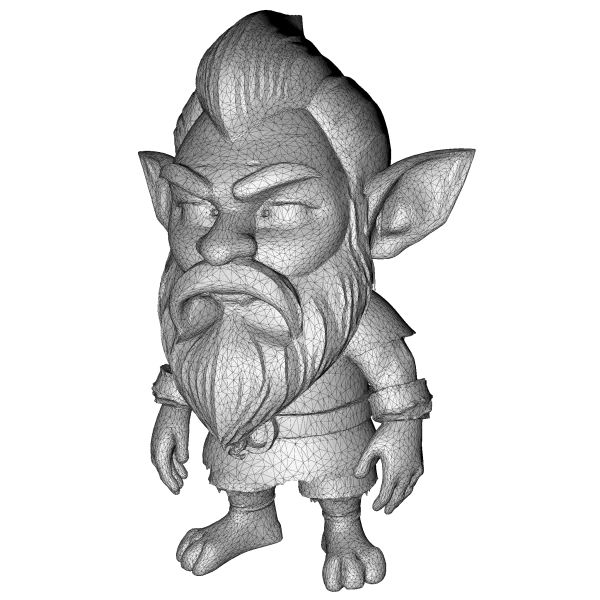
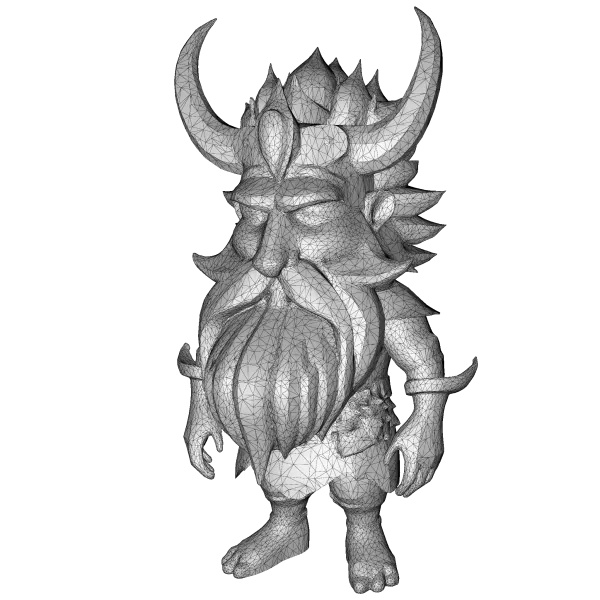
- High-poly sculpt look with handcrafted surface detail (leaf armor, bark textures, stitched cloth, wrinkles)
- Character variety: cute sprites, grumpy fae, wise guardians, and hero archetypes
- A cohesive style so they feel like one set (great for collections, tabletop props, or themed displays)
3D Print Settings (Helpful starting points)
These are general best-practice settings to help most people get reliable results:
Recommended print type
- Resin (SLA/DLP/MSLA) is ideal for capturing the fine leaf and fabric details.
- FDM works too—just scale up a bit and use thicker supports.
Suggested scale
- Resin display figure: 70–120 mm tall
- Tabletop scale: 28–32 mm (if you want minis, expect to simplify supports)
- FDM display figure: 120–200 mm tall for nicer detail visibility
Orientation tips
- Angle the model 20–35° (resin) to reduce suction + improve surface finish
- Keep faces and clean surfaces slightly upward to avoid heavy support scars on the front
- If there are large flat feet/base areas, avoid printing them perfectly flat to prevent warping
Supports (starting point)
- Resin: medium supports for body mass; light supports for ears/leaf edges/wing tips
- FDM: tree supports recommended; consider painting supports only where needed
Layer height
- Resin: 0.03–0.05 mm
- FDM: 0.12–0.20 mm (use 0.12 for better detail)
Infill / walls (FDM)
- Walls: 3–4
- Infill: 10–20% (higher if you want extra strength)
Post-processing
- Resin: wash + cure, then lightly sand support touchpoints
- Prime before painting; dry brushing looks amazing on leaf textures
Note: If your STL is a single solid piece and you want easier printing, you can split into parts (ears/wings/base) in Blender or your slicer for cleaner results.
Target Audience + Age Group + Theme Categories
Target audience:
- Business: game studios, indie creators, product mockups, brand mascots, tabletop sellers
- Education: art students learning character design, 3D printing classes, fantasy diorama projects
- Personal: hobbyists, collectors, painters, tabletop fans, and gift makers
Age group targeting: All ages
- Kid-friendly style (cute + expressive), but the printing process is best for teens/adults or supervised printing.
Theme categories:
- Decorative (desk figures, shelf collectibles, dioramas)
- Educational (3D art practice, printing practice, painting practice)
- Seasonal (great for spring/forest vibes; also fits autumn fantasy themes)
AI disclosure: These characters were created using AI 3D generators as a creative starting point and then artist-refined for style consistency, readability, and presentation—so you get a cohesive, premium-looking bundle ready for your pipeline.
This pack is a Woodland Fae collection: charming forest spirits, guardians, and folk—each with a distinct silhouette (big ears, leafy outfits, mossy textures, horned crowns, winged variants).
The visual goal is “toy collectible meets fantasy storybook”: readable shapes, strong personality, and nature-inspired materials that look great in renders and translate well to physical prints.
Key design features
- High-poly sculpt look with handcrafted surface detail (leaf armor, bark textures, stitched cloth, wrinkles)
- Character variety: cute sprites, grumpy fae, wise guardians, and hero archetypes
- A cohesive style so they feel like one set (great for collections, tabletop props, or themed displays)
3D Print Settings (Helpful starting points)
These are general best-practice settings to help most people get reliable results:
Recommended print type
- Resin (SLA/DLP/MSLA) is ideal for capturing the fine leaf and fabric details.
- FDM works too—just scale up a bit and use thicker supports.
Suggested scale
- Resin display figure: 70–120 mm tall
- Tabletop scale: 28–32 mm (if you want minis, expect to simplify supports)
- FDM display figure: 120–200 mm tall for nicer detail visibility
Orientation tips
- Angle the model 20–35° (resin) to reduce suction + improve surface finish
- Keep faces and clean surfaces slightly upward to avoid heavy support scars on the front
- If there are large flat feet/base areas, avoid printing them perfectly flat to prevent warping
Supports (starting point)
- Resin: medium supports for body mass; light supports for ears/leaf edges/wing tips
- FDM: tree supports recommended; consider painting supports only where needed
Layer height
- Resin: 0.03–0.05 mm
- FDM: 0.12–0.20 mm (use 0.12 for better detail)
Infill / walls (FDM)
- Walls: 3–4
- Infill: 10–20% (higher if you want extra strength)
Post-processing
- Resin: wash + cure, then lightly sand support touchpoints
- Prime before painting; dry brushing looks amazing on leaf textures
Note: If your STL is a single solid piece and you want easier printing, you can split into parts (ears/wings/base) in Blender or your slicer for cleaner results.
Target Audience + Age Group + Theme Categories
Target audience:
- Business: game studios, indie creators, product mockups, brand mascots, tabletop sellers
- Education: art students learning character design, 3D printing classes, fantasy diorama projects
- Personal: hobbyists, collectors, painters, tabletop fans, and gift makers
Age group targeting: All ages
- Kid-friendly style (cute + expressive), but the printing process is best for teens/adults or supervised printing.
Theme categories:
- Decorative (desk figures, shelf collectibles, dioramas)
- Educational (3D art practice, printing practice, painting practice)
- Seasonal (great for spring/forest vibes; also fits autumn fantasy themes)
AI disclosure: These characters were created using AI 3D generators as a creative starting point and then artist-refined for style consistency, readability, and presentation—so you get a cohesive, premium-looking bundle ready for your pipeline.
Tags
- obj
- stl
- 3d printable
- high poly
- fbx
- diorama
- collectible figure
- Fantasy character
- Nature Guardian
- Character Pack
- Forest Spirit
- AI Assisted Art
- tabletop mini
- turntable video
- kitbash
- stylized 3d
- cute creature
- GLB
- Woodland Fae
- Storybook Style
Report this design